Cysts and lipomas are common benign lumps that can develop beneath the skin. Although they are usually harmless, they may sometimes cause discomfort, irritation, increase in size, or cosmetic concerns. Professional dermatological evaluation helps determine the nature of the lump and the most appropriate treatment or removal method.
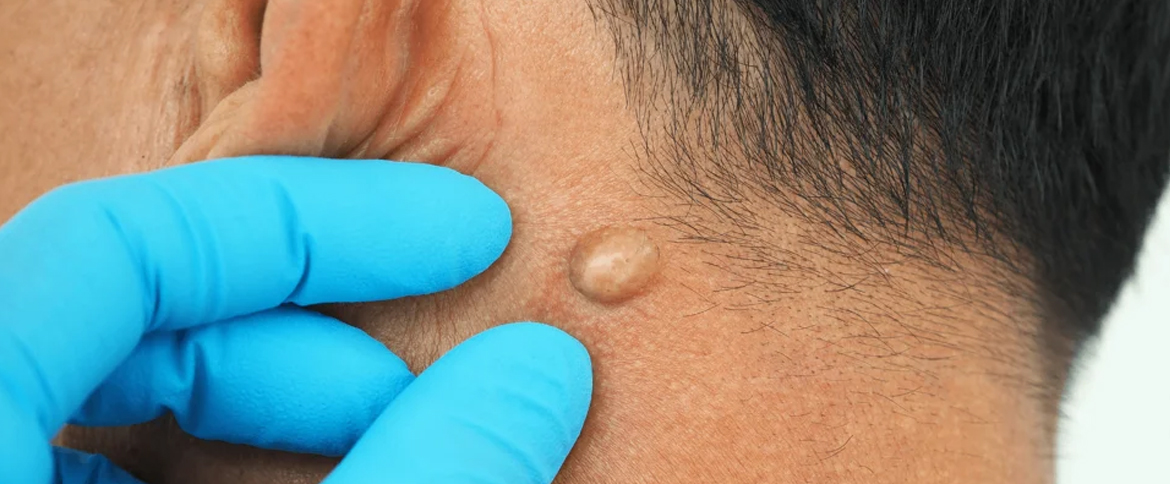
Cysts and lipomas are different types of growths that may appear under the skin. A cyst is usually a sac containing fluid, keratin, or other material, while a lipoma is a soft, fatty growth located beneath the skin.
Most of these growths are non-cancerous. However, any new, rapidly growing, painful, infected, or changing lump should be examined by a qualified dermatologist before treatment or removal.
Cysts are enclosed sacs that can develop beneath the skin due to blocked glands, trapped skin cells, inflammation, infection, or other causes. Epidermoid cysts are among the commonly encountered types of skin cysts.
Depending on the type, size, location, symptoms, and whether the cyst is inflamed or infected, different treatment approaches may be considered.
Lipomas are soft, slow-growing fatty lumps that develop beneath the skin. They are generally benign and may feel soft and movable when touched. They can occur on different areas of the body.
Removal may be considered when a lipoma becomes uncomfortable, increases in size, causes pressure, interferes with daily activities, or creates a cosmetic concern.
Cyst and lipoma removal procedures are commonly performed as outpatient procedures. Local anaesthesia may be used to numb the treatment area and improve patient comfort during the procedure.
Proper aftercare is important for comfortable healing and to minimize the risk of infection or other complications. Patients should follow the wound-care instructions provided after the procedure.
Every lump should be properly evaluated before removal. Dr. Maina provides personalized dermatological assessment and treatment planning based on the type, size, location, symptoms, and individual needs of the patient.