WhatsApp Call Now

Services

  • Home
  • Skin Infections & Allergies
DERMATOLOGY & SKIN CARE

Skin Infections & Allergies

Skin infections and allergic skin conditions can cause itching, redness, swelling, rashes, irritation and discomfort. With accurate diagnosis and personalized treatment, most skin infections and allergies can be effectively managed and prevented from recurring.
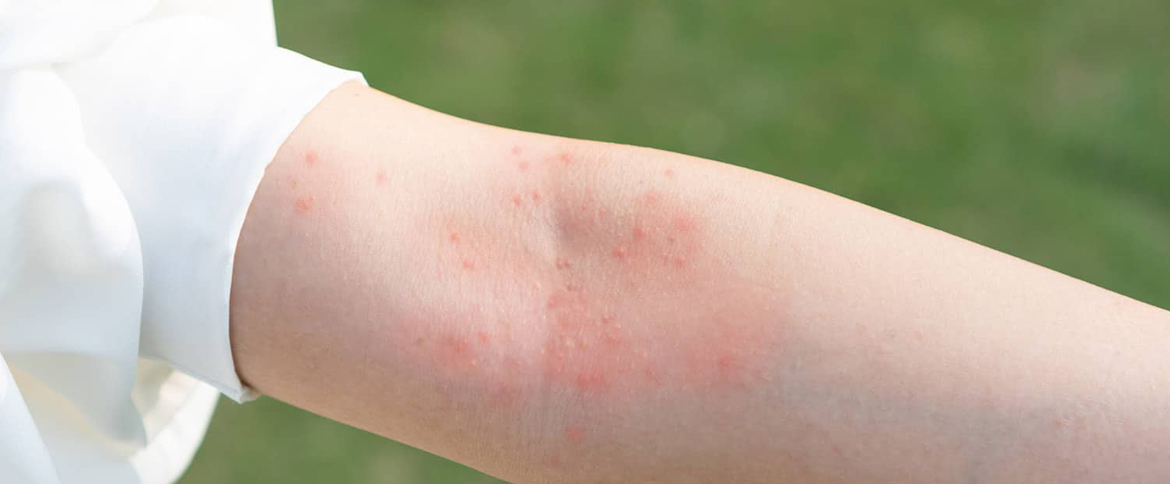
Skin Infections and Allergies Treatment

Skin infections may develop due to bacteria, fungi, viruses or parasites, while skin allergies occur when the immune system reacts to a particular substance or trigger. Since several skin conditions can have similar symptoms, proper dermatological evaluation is important for identifying the underlying cause and choosing the right treatment.

Common Skin Infections & Allergies

Dermatological evaluation can help identify and manage a wide range of infectious and allergic skin conditions, including:

  • Fungal Infections: Ringworm, athlete's foot, candidiasis and other fungal skin infections.
  • Bacterial Infections: Conditions such as impetigo, folliculitis and other bacterial skin infections.
  • Viral Infections: Viral skin conditions that require appropriate diagnosis and medical management.
  • Contact Dermatitis: Skin reactions caused by cosmetics, metals, chemicals, fragrances or other irritants.
  • Urticaria: Sudden episodes of raised, itchy rashes commonly known as hives.
  • Eczema & Atopic Dermatitis: Chronic inflammatory conditions associated with dryness, itching and skin irritation.

Accurate Diagnosis

Proper diagnosis is the first step towards effective treatment. A detailed medical history and clinical examination help determine whether symptoms are caused by an infection, allergy, inflammation or another dermatological condition.

  • Detailed evaluation of symptoms and medical history.
  • Examination of the affected skin, scalp or nails.
  • Identification of possible environmental, cosmetic or lifestyle triggers.
  • Additional tests or allergy testing may be recommended when required.

Common Allergy Triggers

Skin allergies can be triggered by everyday substances. Identifying and avoiding the trigger can play an important role in controlling symptoms and reducing recurrence.

  • Cosmetics, skincare products and fragrances.
  • Metals such as nickel and other jewellery materials.
  • Soaps, detergents and household chemicals.
  • Certain fabrics, plants and environmental substances.
  • Insect bites and other external triggers.

Treatment & Symptom Management

Treatment is customized according to the type, severity and cause of the condition. Depending on the diagnosis, treatment may include:

  • Topical creams, ointments or lotions for affected areas.
  • Antihistamines and other medicines to control allergic symptoms.
  • Appropriate antifungal, antibacterial or antiviral treatment when indicated.
  • Anti-inflammatory treatment for suitable allergic and inflammatory conditions.
  • Advanced treatment options for persistent or complex skin conditions.

Patch Testing & Allergy Evaluation

When contact allergy is suspected, patch testing may be recommended to identify specific substances responsible for the reaction. Small amounts of suspected allergens are applied to the skin and monitored for a reaction over a specified period.

Identifying the trigger can help patients make informed changes to skincare products, cosmetics, workplace exposure and daily routines.

Prevention & Long-Term Skin Care

Preventive care is particularly important for patients who experience recurrent infections or chronic allergic skin conditions.

  • Follow a gentle and consistent skincare routine.
  • Avoid known allergens and irritating skincare products.
  • Maintain good personal hygiene and keep the affected areas clean and dry.
  • Avoid self-medication, especially prolonged use of steroid-containing creams.
  • Follow the dermatologist's treatment and follow-up recommendations.

Personalized Dermatological Care

Dr. Maina provides personalized evaluation and treatment for skin infections, allergies and related dermatological concerns. Early consultation can help identify the cause of persistent symptoms and provide appropriate treatment for healthier, more comfortable skin.