Scalp tattooing, also known as Scalp Micropigmentation (SMP), is a non-surgical cosmetic procedure that uses carefully placed pigment impressions on the scalp to create the visual appearance of hair follicles. It can help improve the appearance of thinning areas, receding hairlines, and certain types of baldness.
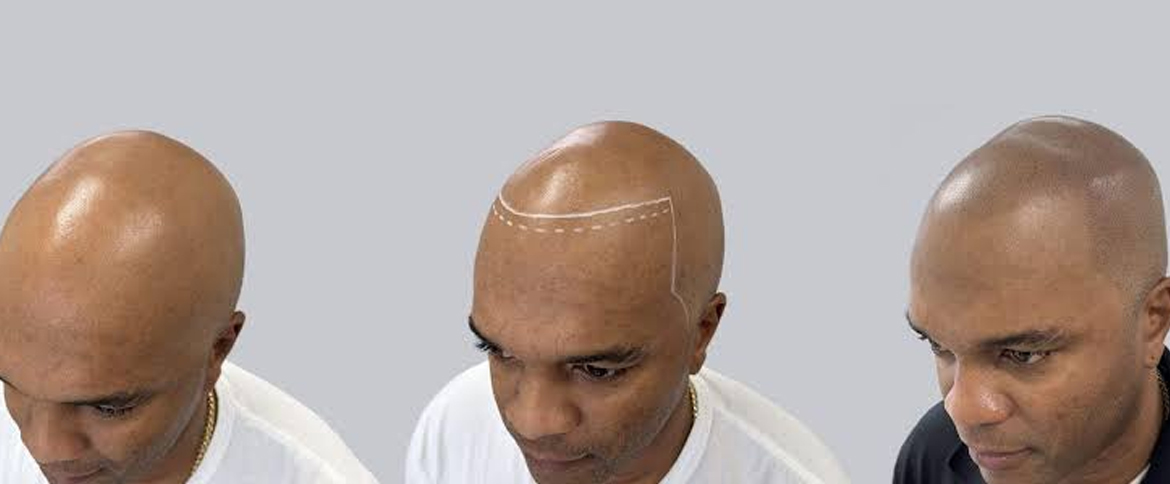
Scalp Micropigmentation is designed to replicate the appearance of closely shaved hair follicles. Very small pigment impressions are placed strategically across the scalp to create the visual effect of greater hair density or a defined hairline.
SMP does not stimulate new hair growth. Instead, it is a cosmetic approach that can improve the overall appearance of the scalp where hair density has reduced.
SMP is planned according to the individual's scalp condition, hair loss pattern, skin tone, existing hair density, and desired appearance. The procedure is generally performed over multiple sessions.
A natural-looking SMP result depends on careful planning, appropriate pigment selection, correct placement, and suitable density. The treatment should be customized rather than applying the same pattern to every individual.
Following scalp micropigmentation, appropriate aftercare helps support healing and maintain the appearance of the pigmentation. Specific instructions may vary depending on the treatment technique and individual skin response.
Scalp micropigmentation is a cosmetic procedure that requires precision and an understanding of scalp anatomy, pigment selection, hairline design, and skin characteristics. Choosing an experienced and appropriately trained professional is important for achieving a balanced and natural-looking result.
During consultation, the treatment plan should be discussed clearly, including the expected appearance, number of sessions, aftercare, and maintenance requirements.
Every scalp and hair-loss pattern is different. A personalized SMP plan helps determine the appropriate hairline, pigment shade, treatment density, and session requirements to create a natural-looking appearance.