Moles, warts and corns are common skin conditions that may cause cosmetic concerns, discomfort or irritation. Dermatological evaluation helps identify the nature of the growth and determine the most suitable treatment or removal method.
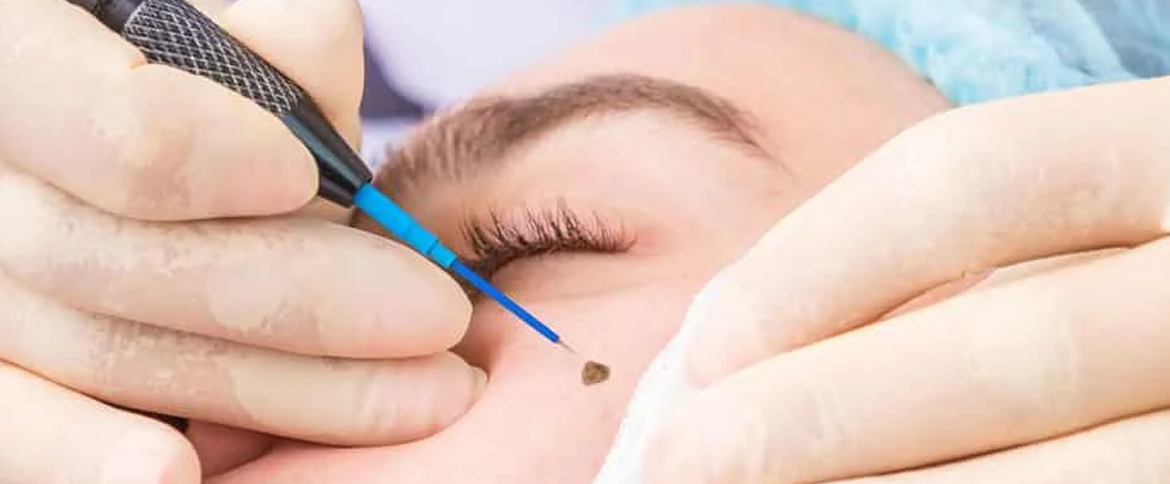
Although many moles, warts and corns are harmless, not every skin growth should be removed without proper evaluation. A dermatologist can assess the lesion, identify its cause and recommend an appropriate treatment based on its size, location, appearance and symptoms.
Moles are common skin growths that develop due to clusters of pigment-producing cells. Most moles are benign, but changes in their appearance should be evaluated by a dermatologist.
Mole removal may be considered when a mole is bothersome, repeatedly irritated, cosmetically concerning or requires further medical evaluation.
Any mole showing significant changes in size, shape, colour, border or symptoms should be assessed before considering cosmetic removal.
Warts are skin growths caused by certain types of human papillomavirus (HPV). They can appear on the hands, feet and other areas of the body and may spread through direct contact or self-spread to other areas.
Treatment is selected according to the type, size, location and number of warts.
Corns are areas of thickened skin that usually develop due to repeated friction or pressure. They commonly occur on the toes, soles and other pressure-bearing areas of the feet.
Treatment focuses on reducing pressure, removing excess thickened skin and addressing the underlying cause to help prevent recurrence.
Different skin growths can sometimes look similar. Professional examination helps distinguish between a harmless lesion and a condition that may require further investigation or a different treatment approach.
Proper aftercare is important following any skin lesion removal procedure. Patients should follow the specific instructions provided after treatment to support healing and reduce the risk of complications.
Dr. Maina provides personalized assessment and treatment for moles, warts, corns and other common skin lesions. The appropriate removal technique is selected after evaluating the individual condition, location and treatment requirements.