Dandruff is a common scalp condition that causes visible flakes, itching, dryness, or scalp irritation. Although it is usually not a serious medical condition, persistent dandruff can be uncomfortable and may affect confidence. Proper scalp evaluation helps identify the underlying cause and guide effective long-term management.
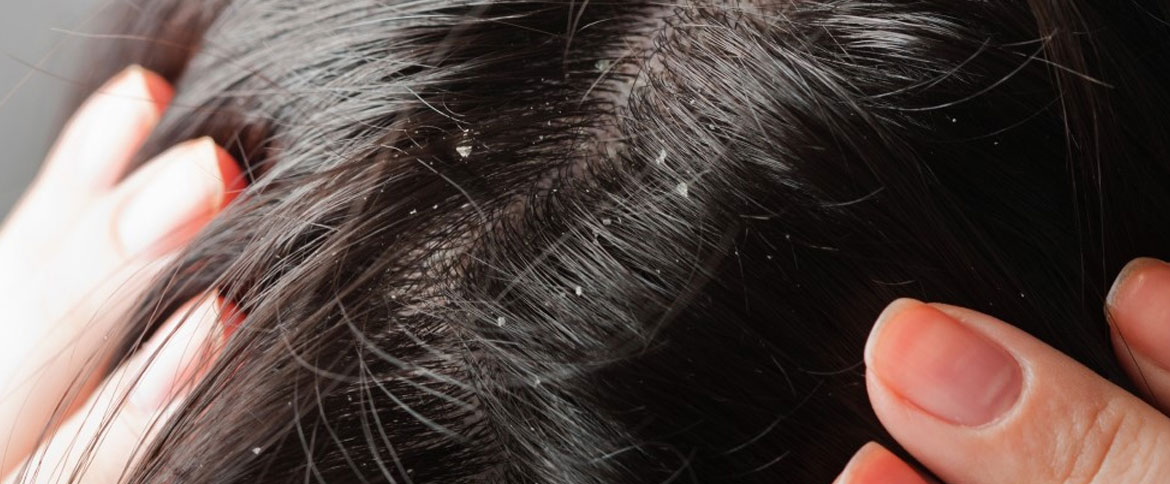
Dandruff is characterized by the shedding of visible skin flakes from the scalp. It may occur with itching, dryness, redness, irritation, or excess oiliness. The severity can vary from person to person and may fluctuate over time.
Persistent or severe scalp flaking may sometimes be associated with conditions such as seborrheic dermatitis, psoriasis, eczema, or other scalp disorders. A dermatological evaluation can help distinguish between these conditions.
Dandruff can be influenced by several factors. Common contributing factors include:
Treatment depends on the severity of dandruff, scalp condition, symptoms, and the underlying cause. A dermatologist may recommend a suitable combination of medicated scalp care and lifestyle measures.
Occasional mild dandruff can often be managed with appropriate scalp care. However, professional evaluation is recommended if dandruff is persistent, severe, recurrent, or associated with significant redness, inflammation, thick scaling, hair loss, pain, or scalp sores.
A dermatologist can assess the scalp and determine whether the symptoms are due to simple dandruff or another scalp condition requiring specific treatment.
Persistent dandruff should not be ignored. With the right diagnosis, personalized scalp-care routine, and appropriate treatment, dandruff and associated scalp symptoms can be effectively managed for healthier, more comfortable scalp and hair.