Pigmentation refers to the natural colour of the skin,
which is primarily determined by melanin. Changes in
melanin production can result in darker or lighter
areas of skin. Pigmentation concerns may be associated
with sun exposure, hormonal changes, inflammation,
genetics, certain medications or underlying skin
conditions.
Common Pigmentation Concerns
Pigmentation can appear in different forms and may
affect different areas of the body. Common concerns
include uneven skin tone, dark spots and patches
that may develop gradually over time.
-
Hyperpigmentation:
Areas of the skin become darker due to increased
melanin production.
-
Sunspots:
Dark spots that may develop due to prolonged
or repeated exposure to ultraviolet radiation.
-
Melasma:
Patchy brown or greyish pigmentation that is
commonly seen on the face and may be influenced
by hormonal and environmental factors.
-
Post-Inflammatory Pigmentation:
Darkened areas that may remain after acne,
inflammation, injury or other skin conditions.
Topical Skin Treatments
Depending on the type and cause of pigmentation,
a dermatologist may recommend suitable topical
creams, serums or other prescription treatments
to help improve uneven pigmentation.
-
Vitamin C and other antioxidant-based
formulations may support brighter and
healthier-looking skin.
-
Retinoid-based treatments may help improve
skin renewal and certain pigmentation concerns.
-
Azelaic acid and other dermatologist-recommended
ingredients may be used for selected cases.
-
Prescription pigmentation treatments should
only be used under appropriate dermatological
guidance.
Advanced Pigmentation Procedures
When topical treatment alone is not sufficient,
selected dermatological procedures may be considered
based on the type, depth and cause of pigmentation.
-
Chemical Peels:
Controlled exfoliation can help improve
superficial pigmentation and promote a more
even-looking skin tone.
-
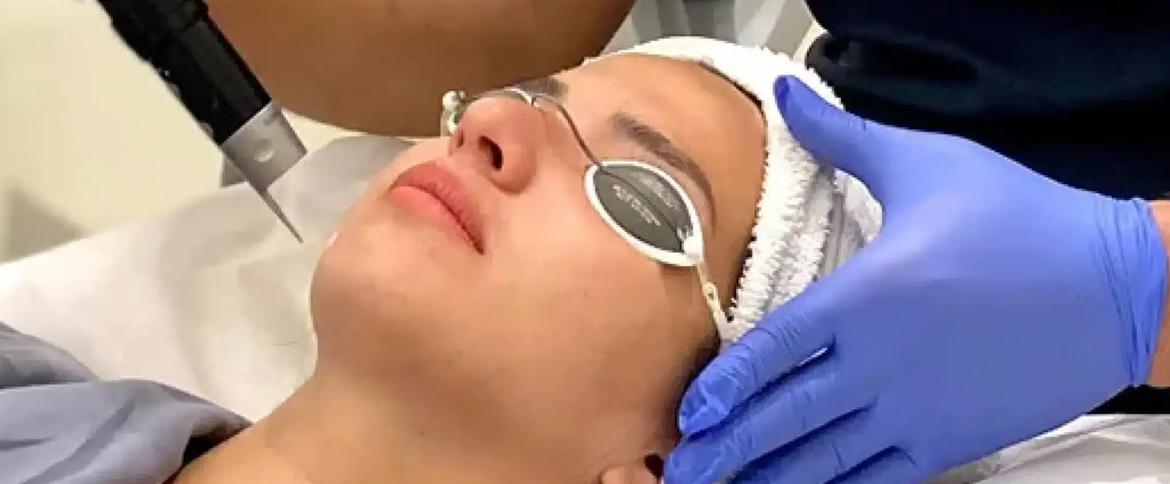
Laser & IPL Treatments:
Selected light-based procedures can target
excess pigment and may help improve certain
types of pigmentation.
-
Microdermabrasion:
Gentle removal of superficial dead skin cells
may help improve skin texture and appearance.
-
Microneedling:
Controlled micro-injuries stimulate the skin's
natural repair process and may be considered
for selected pigmentation concerns.
Importance of Sun Protection
Sun exposure can worsen many types of pigmentation.
Consistent sun protection is therefore an important
part of both pigmentation treatment and prevention.
-
Use a broad-spectrum sunscreen as recommended
by your dermatologist.
-
Reapply sunscreen when required, especially
during prolonged outdoor exposure.
-
Use protective clothing, hats or other physical
protection when exposed to strong sunlight.
-
Avoid unnecessary tanning and prolonged direct
sun exposure.
Personalized Pigmentation Care
Pigmentation can have different causes and may
respond differently to treatment. A proper skin
evaluation helps determine the most appropriate
treatment approach for your individual condition.
-
Identification of the type and possible cause
of pigmentation.
-
Assessment of skin type and severity of the
pigmentation.
-
Customized combination of skincare and
dermatological procedures when appropriate.