WhatsApp Call Now

Services

  • Home
  • Nail Infections & Pigmentation Treatment
NAIL & DERMATOLOGY CARE

Nail Infections & Pigmentation Treatment

Nail infections and nail pigmentation can cause noticeable changes in the colour, texture, thickness, and overall appearance of the nails. Identifying the underlying cause is important because nail changes may result from fungal infections, trauma, inflammation, medications, or other medical conditions.
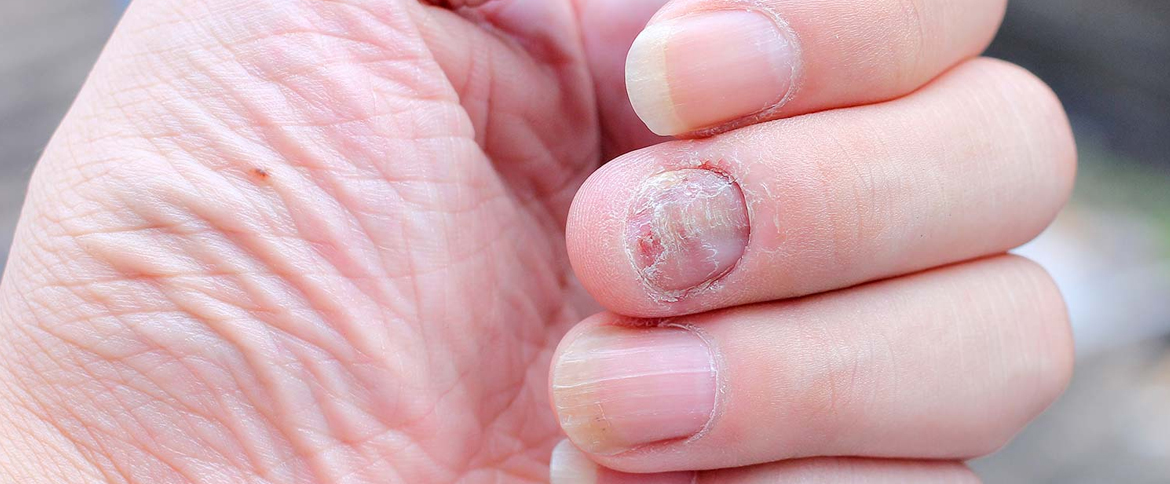
Nail Infections and Pigmentation Treatment

Understanding Nail Infections

Nail infections occur when microorganisms affect the nail or surrounding skin. Fungal nail infection, also known as onychomycosis, is a common cause of nail discoloration and thickening. Bacterial infections and viral conditions such as warts can also affect the nails.

Depending on the cause, infected nails may become discoloured, thickened, brittle, crumbly, deformed, or separated from the nail bed.

Common Signs of Nail Infection

  • Yellow, white, brown, or other abnormal nail discoloration.
  • Thickened or brittle nails.
  • Crumbling or distorted nail surface.
  • Nail separation from the underlying nail bed.
  • Pain, tenderness, swelling, or redness around the nail.
  • Changes affecting one or multiple nails.

Nail Infection Diagnosis

Not every discoloured or thickened nail is caused by a fungal infection. A proper dermatological examination helps determine the likely cause of the nail changes.

Depending on the clinical findings, additional nail or laboratory evaluation may be recommended before starting treatment. Accurate diagnosis helps avoid unnecessary medication and allows treatment to be directed toward the underlying cause.

Treatment for Nail Infections

Treatment depends on the type of infection, number of nails affected, severity, duration, and overall health of the patient. Options may include:

  • Antifungal Treatment: Appropriate topical or oral antifungal medicines may be recommended for confirmed fungal nail infections.
  • Antibiotic Treatment: Bacterial infections may require appropriate topical or systemic treatment depending on their severity.
  • Viral Wart Treatment: If nail changes are associated with viral warts, specific wart-directed treatment may be considered.
  • Nail Debridement: Thickened or damaged nail material may sometimes be reduced as part of treatment.
  • Nail Removal: In selected severe cases, partial or complete nail removal may be considered when clinically necessary.

Nail Pigmentation

Nail pigmentation refers to abnormal changes in the colour of the nail. It can occur due to trauma, infection, medications, inflammation, repeated injury, or certain underlying medical conditions.

Some types of nail pigmentation are harmless, while others may require further evaluation. A new, persistent, changing, or unusual dark pigmentation should always be assessed by a dermatologist.

Nail Pigmentation Treatment

Treatment of nail pigmentation focuses primarily on identifying and managing its underlying cause rather than simply masking the colour change.

  • Underlying Cause Management: Appropriate treatment is recommended when pigmentation is related to an infection, inflammation, trauma, medication, or another medical condition.
  • Antifungal Treatment: When fungal infection is responsible for the discoloration, suitable antifungal therapy may help improve nail appearance as the nail grows.
  • Nail Care: Proper trimming, cleaning, moisturizing, and protection of the nails can support healthy nail growth.
  • Monitoring: Certain pigmentation patterns may require regular observation or further evaluation depending on their appearance and progression.

Nail Care & Prevention

  • Keep fingernails and toenails clean and appropriately trimmed.
  • Keep feet dry and change damp socks regularly.
  • Avoid sharing nail clippers, files, or other personal nail care tools.
  • Avoid repeated trauma, biting, or picking of the nails.
  • Protect nails from prolonged exposure to moisture and irritating chemicals when possible.
  • Seek professional evaluation for persistent or unexplained nail changes.

When Should You Consult a Dermatologist?

Professional evaluation is recommended if nail discoloration, thickening, pain, swelling, or other changes persist despite routine nail care.

Particular attention should be given to a new dark streak or pigmentation that changes in appearance, becomes wider, or is associated with other concerning symptoms. Early assessment can help determine whether further investigation is needed.

Healthy Nails Through Accurate Diagnosis

Nail discoloration and infection can have several different causes. A personalized dermatological assessment helps identify the underlying problem and select the appropriate treatment for healthier-looking and stronger nails.