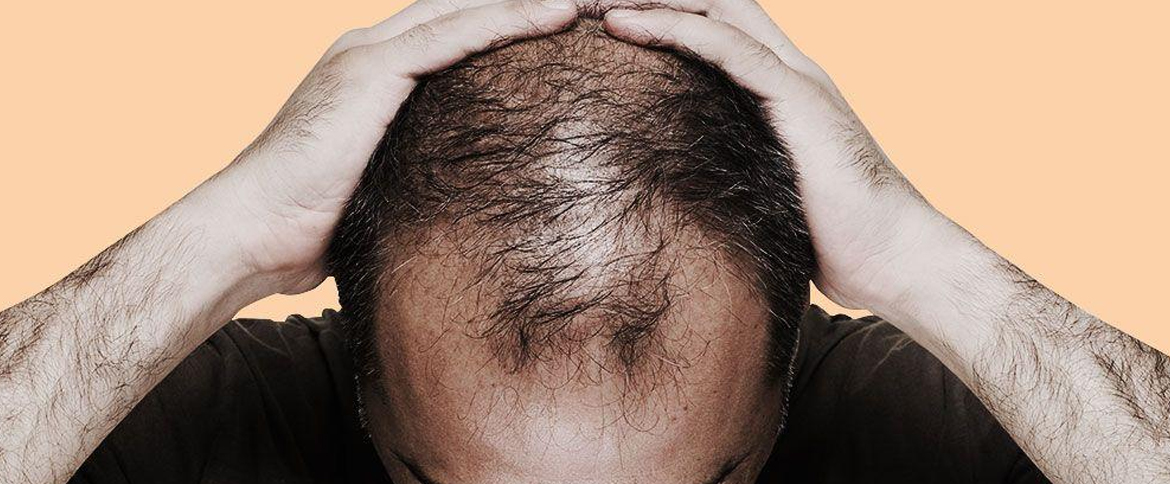
Hair loss and thinning are common concerns that can affect
both men and women. Hair fall may occur temporarily or
gradually and can be associated with genetics, hormonal
changes, nutritional deficiencies, stress, medical
conditions or scalp problems. Identifying the underlying
cause is an important step towards appropriate treatment.
Common Causes of Hair Loss
Hair loss can have several possible causes. A
dermatological evaluation can help identify the
factors contributing to excessive hair fall or
progressive thinning.
-
Androgenetic Alopecia:
Also known as male or female pattern hair loss,
this is one of the most common causes of gradual
hair thinning and is influenced by genetic and
hormonal factors.
-
Hormonal Changes:
Pregnancy, childbirth, menopause and certain
thyroid or hormonal conditions may contribute
to increased hair fall.
-
Telogen Effluvium:
Temporary excessive hair shedding can occur after
significant physical or emotional stress,
illness, surgery, fever or major weight changes.
-
Nutritional Deficiencies:
Inadequate levels of nutrients such as iron,
vitamin D, zinc, protein and other essential
nutrients may contribute to hair fall.
Scalp & Medical Factors
Certain medical conditions, medications and scalp
disorders can also affect the normal hair growth
cycle and lead to increased shedding or thinning.
-
Medications:
Some medicines may cause hair shedding as a
possible side effect.
-
Scalp Infections:
Fungal and other scalp infections may cause
hair loss along with itching, redness,
scaling or irritation.
-
Inflammatory Scalp Conditions:
Certain dermatological conditions affecting
the scalp can interfere with healthy hair
growth.
-
Stress & Lifestyle Factors:
Prolonged stress, inadequate sleep and major
lifestyle changes may contribute to excessive
hair shedding in some individuals.
Hair Care & External Factors
Hair practices and styling habits can also affect
hair strength and may contribute to breakage and
thinning when performed excessively.
-
Tight Hairstyles:
Frequent use of tight braids, ponytails or
hairstyles that continuously pull the hair
may contribute to traction-related hair loss.
-
Chemical Treatments:
Frequent bleaching, straightening, relaxing
and other harsh chemical treatments may weaken
the hair shaft.
-
Heat Styling:
Excessive use of high-heat styling tools may
cause dryness, breakage and damage to the
hair shaft.
-
Improper Hair Care:
Gentle hair care and appropriate scalp hygiene
can help maintain healthier hair and reduce
avoidable hair damage.
Personalized Hair Loss Evaluation
The treatment of hair loss depends on its underlying
cause, duration and severity. A dermatologist may
evaluate the scalp and hair pattern and recommend
appropriate investigations or treatment when required.
-
Detailed assessment of hair fall pattern and
scalp condition.
-
Identification of possible nutritional,
hormonal or medical factors.
-
Personalized treatment and hair-care
recommendations.
-
Regular follow-up to monitor hair growth and
treatment response.